
One point of coordination
Multiple trades with clear responsibilities towards facility management.
NACE / ANNUAL MAINTENANCE CONTRACTS
Maintenance and facility operations in Jeddah. Technical teams, preventive plans, work orders, asset records and reports, with scope and responsibilities clear from the start.
Resident team · Scheduled visits · Hybrid model — as agreed in the scope
WHY NACE?
Recurring faults have a history, a cost and an operational impact. A NACE contract connects the team, asset, work order and report so facility management can follow what happens.
Multiple trades with clear responsibilities towards facility management.
Assets, requests and visits documented in agreed, reviewable records.
Staffing, prevention, service levels and reporting are scoped to the site.
01 CONNECTED SCOPE
Eight connected components. Open each to see what we agree with you; the proposal and contract then define inclusions and exclusions.
From the technician on site
to the management report
Resident staff or scheduled visits, with defined skills, coverage and supervision.
Agreed outputs: Staffing plan, attendance schedule, cover and escalation.
Planned inspection and maintenance based on asset type, condition and manufacturer guidance.
Agreed outputs: Asset list, checklists, frequencies and completion records.
Corrective maintenance work orders: log, classify, assign and follow faults through to closure. Emergency coverage is defined in the contract.
Agreed outputs: Request channel, assigned owner, action and closure approval.
Agree priorities, coverage hours, response targets and escalation before operations begin.
Agreed outputs: What is critical, when does the response clock start, and who follows up?
An asset ID connects its location, condition, visits and warranty; QR tagging is included when agreed.
Agreed outputs: An asset register, consistent fields and defined update ownership.
Confirm specifications, cost and approval before supply and installation, within agreed authority.
Agreed outputs: Inclusions, exclusions, approvals, supply records and warranty documents.
Visit reports and a periodic summary covering completed work, open items, findings and recommendations.
Agreed outputs: Inspection findings, work order status, next plan and cost review.
Track labour and material costs per asset and review repeat faults with facility management.
Agreed outputs: Escalation, periodic review and a history supporting repair or replacement decisions.
We start with your facility’s needs, then define responsibilities and cost boundaries.
Discuss a contract for your facility02 TEAM & TRADES
Agree the trades, staffing levels, supervision, hours and cover before the contract starts.
On-site coverage for assets and daily requests, with agreed staffing and hours.
Planned preventive visits with a defined route for requests between visits.
Fixed staffing or visits, with specialist support and approved additional work.
Inspection and maintenance of cooling, ventilation and ductwork.
Panels, circuits, lighting and fault diagnosis.
Water, drainage, tanks and pumps.
Coordination with the specialist provider as scoped.
Follow-up through qualified specialists against requirements.
A programme for facilities and shared spaces.
A site-specific plan with the specialist provider.
Green areas and irrigation care where included.
Doors, ceilings, floors and painting.
We assess schools, universities, hotels, serviced apartments, offices, retail, warehouses and multi-site operations against their assets and operating requirements.
Biomedical equipment and specialist systems are assessed separately against equipment, client requirements and approvals. Inclusions and exclusions are agreed before contract award.
03 NACE PROJECT RECORDS
Examples from the current project register. Open a project to review its recorded scope.
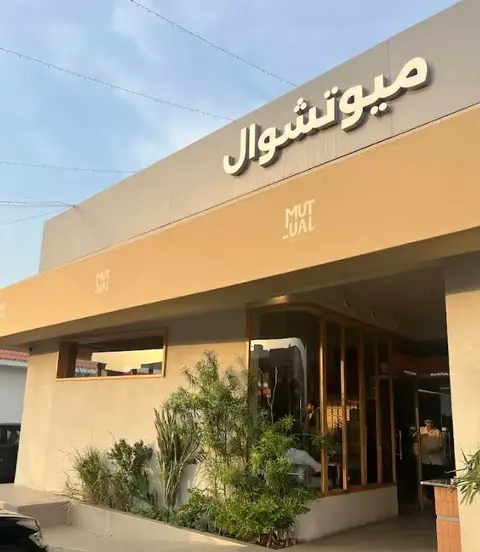
Obhur — Jeddah
Annual maintenance for HVAC, electrical, plumbing and general upkeep, with fault follow-up.
View project recordResidential buildings & showroom — Jeddah
Maintenance for residential buildings and the Prince Sultan Street showroom, covering HVAC, electrical and plumbing.
View project record
Building & HVAC maintenance
54 air-conditioning units in the recorded scope, alongside general upkeep, prevention and fault follow-up.
View project record04 ASSETS · WORK ORDERS · REPORTS
We use the agreed records and tools, or your existing system. These examples explain the outputs; they are neither actual client data nor an automatically included software platform.

ASSET REGISTER & TAGGING
QR or barcode tagging when scoped, using the agreed recording and reporting tools.
An asset ID connects visits, parts and warranty information in one history.
Example record fieldsAsset ID + QR when agreed + visits, materials and recommendations
Reduced air-handling performance — a fictional example of the request workflow.
Example status: awaiting approvalLog request, response and action times, then update the asset history.
A periodic view of completed work, deferred tasks and cost. Performance indicators are calculated from approved records.
Report structure — no actual resultsThe request channel is agreed at mobilization. Each request records the issue, location and asset before assignment; out-of-scope work requires approval.
05 PREVENTION & CONTINUOUS REVIEW
Start with asset inventory, condition, operational criticality and manufacturer guidance. Then agree inspection tasks, frequency, work windows and sign-off.
An asset-based planInspection, readings, cleaning, adjustment and servicing appropriate to the system, rather than an undefined general visit.
A record for every visitCompleted tasks, findings, photos, recommendations and any corrective work order required.
Review before repeatingReview repeat faults and deferred work to refine the plan and budget.
06 SERVICE LEVELS & ESCALATION
An SLA defines what follows a request: its priority, coverage hours, response target and escalation path.
An essential asset stops, or there is a major operational or safety impact.
A material fault can be temporarily contained without a full facility shutdown.
A non-critical finding or a task within planned visits.
Response time is not repair time. Repair duration depends on parts, approvals and asset condition; the contract defines these details.
07 PARTS · COST · SCOPE BOUNDARIES
Link labour and material costs to the asset and work order to review repeat repairs and discuss replacement. Periodic review supports maintenance priorities and budget planning.
Planned versus completed
By asset and fault type
Response within coverage
Labour, parts and extras
Agree performance indicators and cost targets after assessing asset condition and establishing a baseline; measure them from actual records.
Supplier details, warranty term, documents and service history are linked to the asset. Claims follow supplier or agent terms. Client-supplied equipment remains under the supplier or manufacturer warranty; NACE service warranty follows the proposal or contract.
SUPPLY · INSTALLATION · OPERATION
Start with site requirements, then supply, installation and testing, with warranty documents and service records.

08 COMMERCIAL MODELS
We review these options after understanding your scope. No model suits every site, and staffing count alone does not define contract cost.
For a known scope with defined assets, visits and outputs.
Agree scope boundaries and exclusions before fixing the price.
For recurring services or multiple sites under agreed terms and item rates.
Define ordering, approvals and measurement for each task.
Where specific skills and operating hours drive the requirement.
Clarify supervision, cover arrangements and materials.
For occasional requests without a fixed annual programme.
Confirm scope, price and availability for each request.
For fixed preventive work and coverage plus approved extras.
Separate the fixed component, extras and their approval route.
09 MOBILIZATION
Mobilization turns the proposal into an actionable operating plan and makes responsibilities clear before service starts.
Start-up outputs: an initial asset register, contact owner, staffing and visit plan, request channel, and reporting and approval process.
Quality, health, safety & environment framework10 BEFORE YOU SIGN
Pricing follows a review of sites, assets and their condition, operating hours, trades, staffing, scheduled visits and included materials. Share your scope or BOQ and asset register, if available, for a proposal with clear pricing, inclusions and exclusions.
We assess offices, showrooms, retail, schools, universities, hotels, serviced apartments, warehouses and multi-site facilities. Each scope is agreed after reviewing assets, operating requirements and specialist providers needed.
The scope and inclusions schedule define this. Assets, trades, visits, materials and spare-parts responsibilities are agreed in writing; they are not automatically included in every contract.
Resident staffing, scheduled visits or a hybrid model are assessed against assets, operating hours, site count and locations. Supervision, coverage and cover arrangements are specified in the proposal.
Preventive maintenance is planned inspection and servicing under the asset plan. Corrective maintenance follows a fault or finding, with diagnosis, repair and retesting.
The SLA considers priority, asset criticality, coverage hours, location and resources. Response time differs from repair time, which may depend on parts or further approvals.
The recording and reporting tools are agreed with the client, and an existing client system can be used. The examples on this page do not automatically include a software platform or licence.
Share the facility type, city, number of sites, operating hours and main systems. Include an asset register, scope of work or BOQ if available; we then determine the survey needs and review the scope and proposal with you.
START WITH A CLEAR SCOPE
Send the information you have. We review the need and agree the survey and next step; a long form is not required to start the conversation.
maintenance@njoudest.com.sa